Build a personal research assistant with TRMesh: what are people saying after a launch?
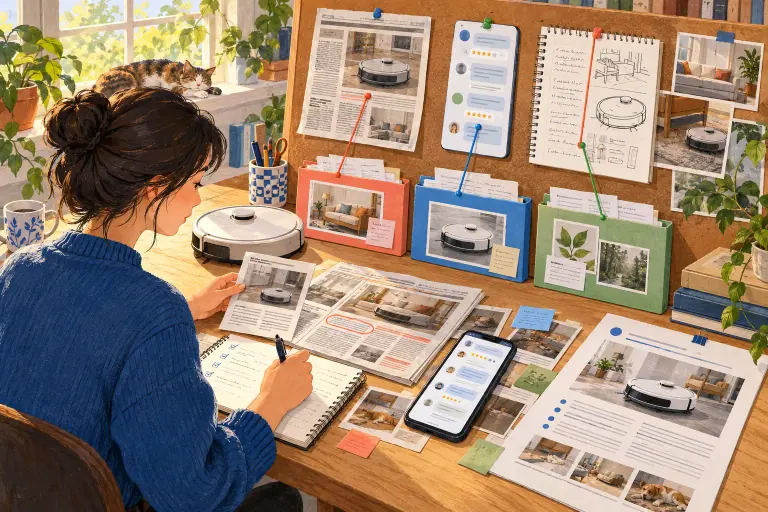
Turn coverage and social discussion about a robot-vacuum launch into a brief whose claims lead back to their sources.
Read guide
 TRMesh Tools
201 guides
Turn coverage and social discussion about a robot-vacuum launch into a brief whose claims lead back to their sources.
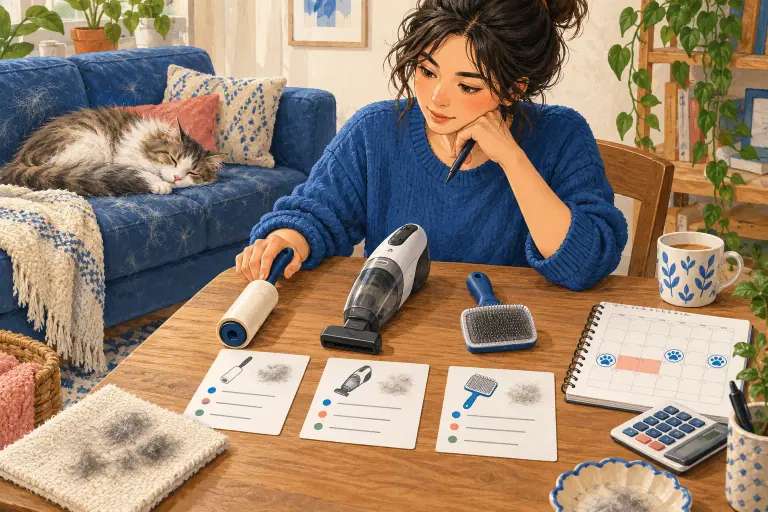
Read guideUse public discussions to compare alternatives, challenge a pet-cleaning idea and plan a small test before building or buying inventory.
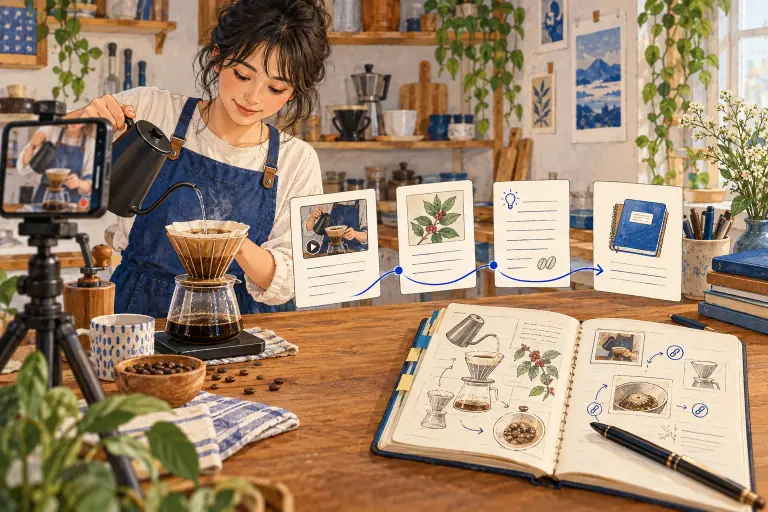
Read guideConnect a coffee-video share link to a workflow, then keep the post description, viewing notes and your next original idea together.
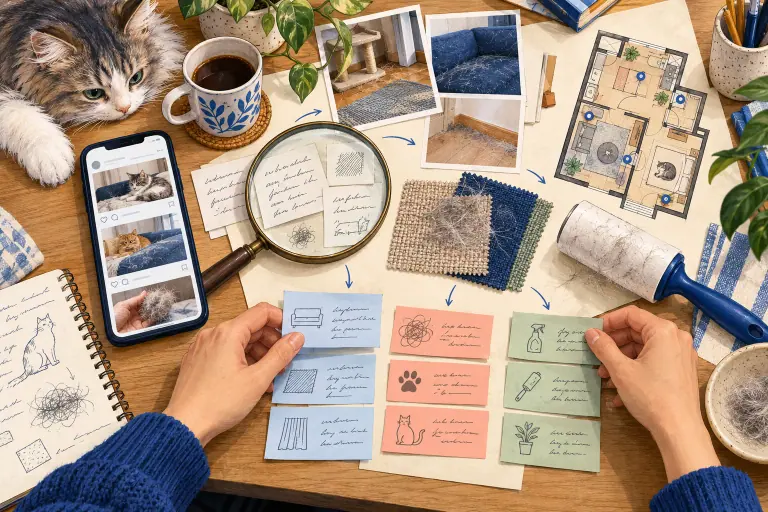
Read guideUse specific Xiaohongshu searches to document the situation, existing workaround and remaining problem before choosing a product.
Read guideStart with one Instagram username, call TRMesh, save the JSON and gradually build your own account observation sheet.
Read guideUse recent demonstration videos to prepare a practical brief instead of choosing a creator from follower counts and peak views alone.
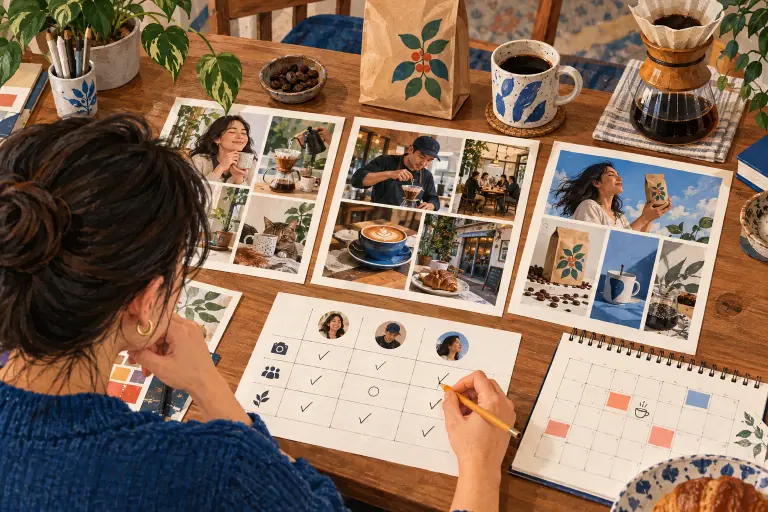
Read guideReview recent work from a few candidates, then document content fit and the questions to settle before a collaboration.
Read guideTurn vague complaints into concrete tasks, compare workarounds and choose one small problem to prototype.
Read guideConfirm the account, read its available metrics and build a small observation card you can revisit.
Read guideA coffee-video example shows how to study an opening, evaluate evidence and plan an original experiment.
Read guideSearch around smoke, utensils and cleaning, then turn relevant examples into a filming preparation list.
Read guideKeep the hashtag and sampling conditions fixed, then compare video identifiers across observations.
Read guideCheck a regional trend against relevant posts before assigning it a meaning or editorial importance.
Read guideVerify the accounts and separate new ideas, follow-ups and repeated material from your reading history.
Read guideUse the original post and comment context to distinguish questions, experiences and uncertain tone.
Read guideRead community context, example posts and replies to prepare a useful question of your own.
Read guideKeep a baseline and a follow-up list so repeated popular posts do not overwhelm meaningful changes.
Read guideInspect the teaching sequence and reproduce a small task before adapting the structure for your own lesson.
Read guideUse a shared observation window and comparable videos to choose one practical improvement for your own lessons.
Read guideRead replies in context before interpreting praise, sarcasm or purchase intent.
Read guideUse a trend list as a starting point, then verify the discussion before committing to an editorial angle.
Read guideKeep source identity, event dates and reading status separate so repeated posters do not become duplicate tasks.
Read guideReview relevant demonstrations and prepare concrete questions before discussing a collaboration.
Read guideFind relevant rooms, verify the host and keep lookup data separate from your own viewing notes.
Read guideCheck relevant videos and your own evidence before committing a popular topic to a filming plan.
Read guideCompare assumptions, evidence and conclusions before deciding what applies to your own situation.
Read guideSeparate experience, citations and recommendations before deciding which advice applies to you.
Read guideSearch separately for installation, backups and remote access, then order references around your actual setup.
Read guideTurn vague failure reports into specific questions, while separating resolved replies from open problems.
Read guideStart with sourced candidate accounts, then inspect their videos for experience relevant to your camera problem.
Read guideTurn a broad topic into an action, then verify the method against a small example in your software version.
Read guideVerify the account, retain page coverage and distinguish confirmed series from standalone references.
Read guideUse search and details to narrow the candidates, while keeping retrieval separate from any later download process.
Read guideKeep the video and segment identifiers distinct before using playback information in a later process.
Read guideSearch for transport, walking conditions and rainy-day alternatives before adapting a route for your family.
Read guideIdentify the production, label reference types and preserve spoiler boundaries before deciding what to watch.
Read guideInspect account posts and post details before recording individual media items or later saving results.
Read guideSearch around a specific cooking problem and preserve differences between methods before testing your own version.
Read guideRead questions and replies together, then plan footage or material notes around the missing information.
Read guideSearch by equipment and symptom, then preserve the limits of each reference rather than treating it as a diagnosis.
Read guideMatch account posts to their details and state exactly what information is available for each item.
Read guideExtract concrete questions and distinguish documented answers from missing context or decisions still awaiting confirmation.
Read guideSearch by version and capability, then distinguish original statements from repeated interpretations.
Read guideNarrow by event and city, retrieve fuller text where needed and separate firsthand visits from promotion.
Read guideRead comments and replies in context, then turn actionable questions into reviewable edits.
Read guideCompare the reader problem and effort behind recent notes before choosing what to continue.
Read guideKeep light, soil and watering references attached to their growing conditions before applying them at home.
Read guideVerify candidates, preserve account pagination and attach each selected note to its author and practical context.
Read guideDefine the day and timezone, verify publication timing and describe a bounded sample rather than a platform-wide ranking.
Read guideDefine your comparison group and inspect notes alongside current author information without inventing a growth story.
Read guideCheck promises, evidence and sequence against the task, then produce specific edits rather than a vague content score.
Read guideGenerate different angles from facts already in the draft and check the expectation each title creates.
Read guideUse explicit editorial criteria and evidence-linked changes instead of treating a score as a reach prediction.
Read guideUse the correct detail endpoint and record available media information without confusing it with completed archiving.
Read guideKeep repeated observations under one note and compare themes within an explicit date boundary.
Read guideStart with what you did, photographed and measured, using references only to understand readers’ questions.
Read guideCompare transport, location and seasonal assumptions before planning a family weekend.
Read guideSeparate plot details from viewing preferences and preserve different reasons for recommending or disliking the work.
Read guideCheck available languages, choose a suitable format and retain the connection between text and playback position.
Read guideVerify the tag, inspect a manageable sample and distinguish demonstrations from finished-object inspiration.
Read guideDiscover accounts through specific topics, then verify their profiles and recent work before building a reading shortlist.
Read guideRetrieve available text from a shared video and keep any later transcription or rewriting clearly separate.
Read guideInspect post relationships and available details before describing a reference as a usable video asset.
Read guideStudy how the reference unfolds, then write independently from your own facts and materials.
Read guideSeparate claims and evidence in references, then draft with your own reasoning and clearly attributed sources.
Read guideRetrieve the article and discussion, identify what is disputed and preserve the evidence still needed.
Read guideRetrieve a saved video by its ID and keep the reason you saved it alongside the lookup date and region.
Read guideBuild a clear mapping between a saved post link and the identifier required by a later lookup.
Read guideRetrieve a particular post and separate the source wording from your interpretation in a briefing.
Read guideResolve a channel name, then keep its ID beside the verified homepage and the reason for following it.
Read guideExplore a small set of recommendations while preserving language, sorting and pagination context.
Read guideRetrieve one video, request merchant-related anchors only when useful, and inspect unavailable-content responses carefully.
Read guideRetrieve an image note, inspect its pictures in context and check dimensions before buying supplies.
Read guideLook up a BV identifier and add viewing notes that help decide what to study next.
Read guideVerify the actual submission post before asking readers to share photos in its comments.
Read guideBuild a source-linked reference card before deciding which storytelling choices belong in your next video.
Read guideOrganize a column into a practical reading list while keeping article discovery separate from understanding its arguments.
Read guideCreate an accurate account record and separate profile facts from content fit and commercial assumptions.
Read guideUse public career information to frame relevant questions without treating profile statements as verified credentials.
Read guideSeparate the article you retrieved from the claims you still need to verify before writing a briefing.
Read guideConvert stored identifiers into reviewable post links while preserving the original mapping and access uncertainty.
Read guideSeparate username lookups from account-ID lookups and preserve identity evidence before merging watchlist records.
Read guideNormalize channel references to identifiers while retaining original URLs and the evidence behind each merge.
Read guideSelect traceable discussion leads from a defined recommendation sample without treating it as a census of Reddit.
Read guideUse note details to support a focused creative review without inventing retention data or a formula for popularity.
Read guideRecover context from a specific post and keep the statement separate from attachments and engagement signals.
Read guideSeparate an article’s argument, supporting examples, and your own questions before shortening it for colleagues.
Read guideRecover the specific work and explain why it matters before adding it to a production plan.
Read guideConfirm the organization, summarize its public positioning, and preserve questions that require direct confirmation.
Read guideDistinguish the video source, its publication context, and the event timing that still needs corroboration.
Read guideTreat generated titles, summaries, and keywords as navigation aids rather than quotations or verified search insights.
Read guideUse stored account IDs to refresh display information without overwriting the identity history of past collaborations.
Read guideBuild a bounded reading sample from account posts instead of letting one prominent sentence define an author.
Read guideAdd channel names and useful links while retaining stable identifiers and historical reporting context.
Read guideSeparate game news, player accounts, and speculation before turning recommended discussions into follow-up work.
Read guideUse a defined comment order and complete pagination state to identify explanation gaps without overstating coverage.
Read guideUse detailed account information as context while separating self-description, audience scale, and editorial judgment.
Read guideResolve source links before selecting creative references, keeping old notes separate from retrieved information.
Read guideExplore article-based column recommendations while checking topic fit and preserving room for different viewpoints.
Read guideBuild a bounded view of visible followers without turning a relationship list into an audience or purchasing profile.
Read guideSeparate stated requirements from missing conditions and connect relevant experience to evidence before applying.
Read guideUse category exploration to study communication choices and develop a production hypothesis suited to your own resources.
Read guideUse public profile details and links to orient your research before judging a creator’s fit for a project.
Read guideDefine a research question, choose the right result type, and preserve the boundaries of your discussion sample.
Read guideCreate accurate channel records before evaluating teaching style, content quality, or performance.
Read guideSeparate the discussion thread from the news material it references before writing a current-affairs briefing.
Read guideRetrieve a high-quality playback reference for authorized material while separating source quality from playback conditions.
Read guideKeep replies attached to their parent comment and distinguish clarification from independent complaints.
Read guideConfirm the specific video and add viewing-based observations before recommending its approach to a production team.
Read guideUse lightweight user information to identify a cited account without turning profile labels into credibility judgments.
Read guideTurn concrete questions beneath a tutorial into supplementary filming tasks while preserving their original context.
Read guideInspect the available relationship data before using it to explain interaction states or construct broader claims.
Read guideFollow visible account connections without treating them as evidence of collaboration, influence, or private interests.
Read guideUse deliberate search conditions, preserve pagination scope, and inspect individual vacancies before preparing applications.
Read guideClarify meaning and audience relevance before treating a daily keyword list as an editorial plan.
Read guideRead specific responses to understand objections without treating one comment section as a platform-wide opinion poll.
Read guideExtract useful information from the complete response while preserving the distinction between display language and editorial interpretation.
Read guideUse discovery categories and community suggestions as navigation, then inspect the actual discussions separately.
Read guideConnect visible on-screen comments to the relevant footage and turn observations into cautious editing hypotheses.
Read guideConfirm current account information before merging candidates or making assumptions about commercial suitability.
Read guideSeparate the video reference, returned playback data, and actual behavior in the intended viewing environment.
Read guideKeep detail settings and pagination consistent so retrieval differences do not become invented publishing trends.
Read guideDistinguish follow-up conditions from answers before counting discussion as separate tutorial problems.
Read guideUse comment configuration as an entry-point check without mistaking it for publishing or comment-retrieval capability.
Read guideResolve the required relationship fields from the same work, then preserve reader conditions when summarizing questions.
Read guideDistinguish predictions, experience, and cited evidence when preparing industry discussion material.
Read guideTurn questions beneath a specific work into follow-up topics while checking factual answers against primary material.
Read guideChoose a clear lookup basis before refreshing profile information and evaluating a creator’s content fit.
Read guideUse latest-comment observations to prioritize follow-up while distinguishing publication time from collection time.
Read guideCarry verified topic identifiers into a consistent reading workflow and explain why individual posts belong in your sample.
Read guideUse related recommendations to broaden creative options while preserving the seed and the limits of the sample.
Read guideBuild a traceable sample of published notes before deciding whether a topic is a sustained part of the creator’s work.
Read guideConfirm the work and segment before using available subtitle material to build study notes.
Read guideUse the documented prerequisite for original-post collection and still check quotations and context within each work.
Read guideGenerate short references from confirmed work IDs while preserving the mapping and checking the destination.
Read guideTreat ranked topics as entrances to research rather than instructions to repeat a headline or assume its accuracy.
Read guideRecord visible promotional themes without inferring participation, historical schedules, or campaign performance.
Read guideBuild a dated source record from a confirmed user identifier while evaluating each article on its evidence.
Read guideReview a creator’s publishing choices with a bounded sample, reliable pagination, and notes that remain tied to individual posts.
Read guideUse a known user ID to check profile clues and keep a traceable candidate record before discussing a creative collaboration.
Read guideRead the conversations an account participates in and turn recurring explanations into sourced questions for an editorial backlog.
Read guideReturn from a screenshot to the original post, keep comment context attached, and prepare a reference that another reader can verify.
Read guideChoose recipes from a specific saved collection and separate observed cooking steps from details you still need to confirm.
Read guideReview saved travel ideas against the needs of this trip, continue the list correctly, and flag advice that needs a fresh check.
Read guideUse a current search list to discover questions, then evaluate evidence and audience relevance before selecting a video subject.
Read guideCollect the questions that need clarification under one announcement and preserve their context for the person responsible for the rules.
Read guideCheck the intended account through its user identifier and keep open questions visible before building a collaboration record.
Read guideBuild a reading path from videos that catch your attention while keeping ranking observations separate from judgments about evidence.
Read guideObserve how lifestyle content explains everyday tasks and turn those observations into an original production brief.
Read guideResolve a confirmed profile URL to a user ID so later research stays attached to the same author even when display names change.
Read guideBuild a sourced reading list from reposted videos without confusing sharing activity with authorship or a complete account of someone’s interests.
Read guideRead media posts in their original context and create concrete examples for a future shoot without inventing performance measurements.
Read guideCompare a small set of known discussions while preserving the purpose, source, and verification status of each individual post.
Read guideReview the clips in a known collection, check prerequisites yourself, and connect each viewing session with a concrete exercise.
Read guideFind relevant room-improvement ideas with a focused query, preserve search continuity, and turn attractive examples into options you can check.
Read guideNarrow a broad learning search with task, duration, and time choices, then evaluate candidates through a small practical exercise.
Read guideStart from the parent comment, follow its replies, and distinguish additional context from claims that still need verification.
Read guideReview an account’s available replays around a specific question and build a focused viewing plan without assuming a complete broadcast archive.
Read guideSearch around a precise question, keep the retrieval conditions consistent, and distinguish useful arguments from claims requiring more evidence.
Read guideObserve how recommended material is grouped and presented, then translate those observations into your own editorial outline.
Read guideReview works in a visible likes list for specific creative examples while avoiding unsupported conclusions about the person behind the account.
Read guideCheck account background details carefully and separate platform-provided facts from questions that still require direct confirmation.
Read guideInspect accounts that reposted a specific tweet while keeping the observation separate from reach, endorsement, and business outcomes.
Read guideDistinguish combined formats from separate adaptive tracks and record the format identifier before obtaining a usable playback address.
Read guideRead up to thirty known posts at a time and reconcile the returned material with the questions each source is supposed to support.
Read guideConfirm the identifier type, inspect the current live-stream data, and leave a time-specific handoff record for an upcoming session.
Read guideSearch for a specific subject, check public work, and prepare sourced reasons for an invitation rather than treating results as automatic recommendations.
Read guideMatch the work identifier to the intended segment, retrieve its stream information, and keep address retrieval separate from playback verification.
Read guideCombine a confirmed user with remembered wording, time limits, and content choices to recover a source without losing attribution.
Read guideFind a relevant saved work and check its tools, materials, and assumptions before deciding whether it applies to your repair.
Read guideDiscover accounts, read their public contributions, and keep a specific reason for each invitation rather than treating search placement as expertise.
Read guideTurn a current keyword observation into a practical reader question without inventing search volumes, growth rates, or likely performance.
Read guideUse the account’s playlist organisation to build a personal learning map, then check the actual works before choosing a study sequence.
Read guideContinue through the post list correctly and turn observed creative choices into a review that states exactly which material was inspected.
Read guideGive a trends briefing a clear geographic scope and separate the observed topics from the background facts you still need to verify.
Read guideRead comments against the original question, preserve sorting context, and separate reported experiences from recommendations that still need checking.
Read guideUse a confirmed account identifier to inspect live-stream information and keep the account mapping separate from a time-specific availability observation.
Read guideSearch for a specific visual relationship, preserve the search session, and turn image observations into material choices that still need checking.
Read guideReview submissions in bounded pages and add viewing reasons to a useful guide without presenting the retrieved range as an unlimited archive.
Read guideUse collection names, identifiers, and counts to choose the next reading target without confusing a directory with its underlying media.
Read guideChoose leads from the current list, preserve the observation time, and keep trending attention separate from verified event facts.
Read guideIdentify related concepts and their boundaries before deeper reading, while treating the result as a working index rather than a verified taxonomy.
Read guideUse the topic identifier to confirm its context, separate visible information from assumed rules, and develop an original contribution.
Read guideUse the collection identifier to inspect related works and build a reasoned viewing sequence without claiming coverage of the whole account.
Read guideUse visible following relationships as leads, then evaluate each source independently without inferring endorsement, partnership, or private connections.
Read guideConnect format inspection with signed-address retrieval and retain the expiry information instead of treating a temporary URL as a permanent media source.
Read guideFollow the comment cursor within its post and preserve later qualifications before turning an appealing suggestion into practical guidance.
Read guideCheck the intended room with the correct identifier and distinguish retrieved stream information from playback you actually verified.
Read guideSearch around the intended use, preserve the query context, and verify dimensions and suitability instead of treating search results as purchase recommendations.
Read guideInspect a specific collection, select an appropriate ordering, and build a viewing plan using actual details and documented pagination.
Read guideSearch for one concept, inspect candidate videos, and use your own notes to distinguish a useful demonstration from a complete explanation.
Read guideKeep category and hashtag inputs aligned, inspect works under consistent conditions, and document differences without claiming a platform-wide trend.
Read guideRead questions under one work and turn a verified point of confusion into a focused follow-up demonstration.
Read guideFocus on short-form works, follow the actual pagination information, and turn viewing notes into specific editing questions.
Read guideRead visible follower records with clear scope and timing, while separating account relationships from claims about audience characteristics.
Read guideInspect available captions first, choose a format for reading or navigation, and handle processing results without claiming automatic transcription.
Read guideInspect the intended community’s rules and presentation information, then prepare a better question without assuming permission or guaranteed approval.
Read guideInspect the intended room, preserve observation conditions, and avoid unsupported conclusions about income or individual donors.
Read guideSearch for a specific discussion topic, use the correct zero-based pagination, and verify joining conditions before choosing a group.
Read guideInspect collection folders to define an achievable organising task while keeping directory information separate from videos you have actually reviewed.
Read guideContinue through the actual video list and add editorial viewing reasons without describing an unfinished sample as a complete archive.
Read guideNo guides found. Try a shorter keyword or a different platform.